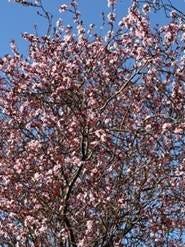
At the Installation of Sarah Mullaly as Archbishop of Canterbury

It was a wonderful privilege to be invited to attend the installation ceremony at Canterbury Cathedral of the one hundred and sixth Archbishop of Canterbury. As the formalities moved to a close, the Dean invited the congregation to ‘greet our newly installed Archbishop.’ A huge cheer went up, and the applause continued for many minutes.

The applause was for Sarah, a woman who had come from the profession of nursing to follow the call of her God, a person free from pretensions, determined, as she declared, to ‘travel with you in [God’s] service.’ This ‘you’ included children, people of all faiths, and communities from across the globe. Songs, readings and prayers were shared in Spanish, Urdu and Swahili.

The applause was because, for the first time in the history of the Church of England, a woman occupied the Chair of St Augustine. The cheering was for humanity and hope.

This was an island of grace in the midst of all the fighting in the world.

It is special to have as Archbishop a person who has already visited our synagogue. It was a joy to see next to her the Bishop of Dover, Rose Hudson-Wilkin, with her beaming warm smile, who sung ‘By the Rivers of Babylon’ so unforgettably in our community’s celebration of the completion of a study of the Psalms.
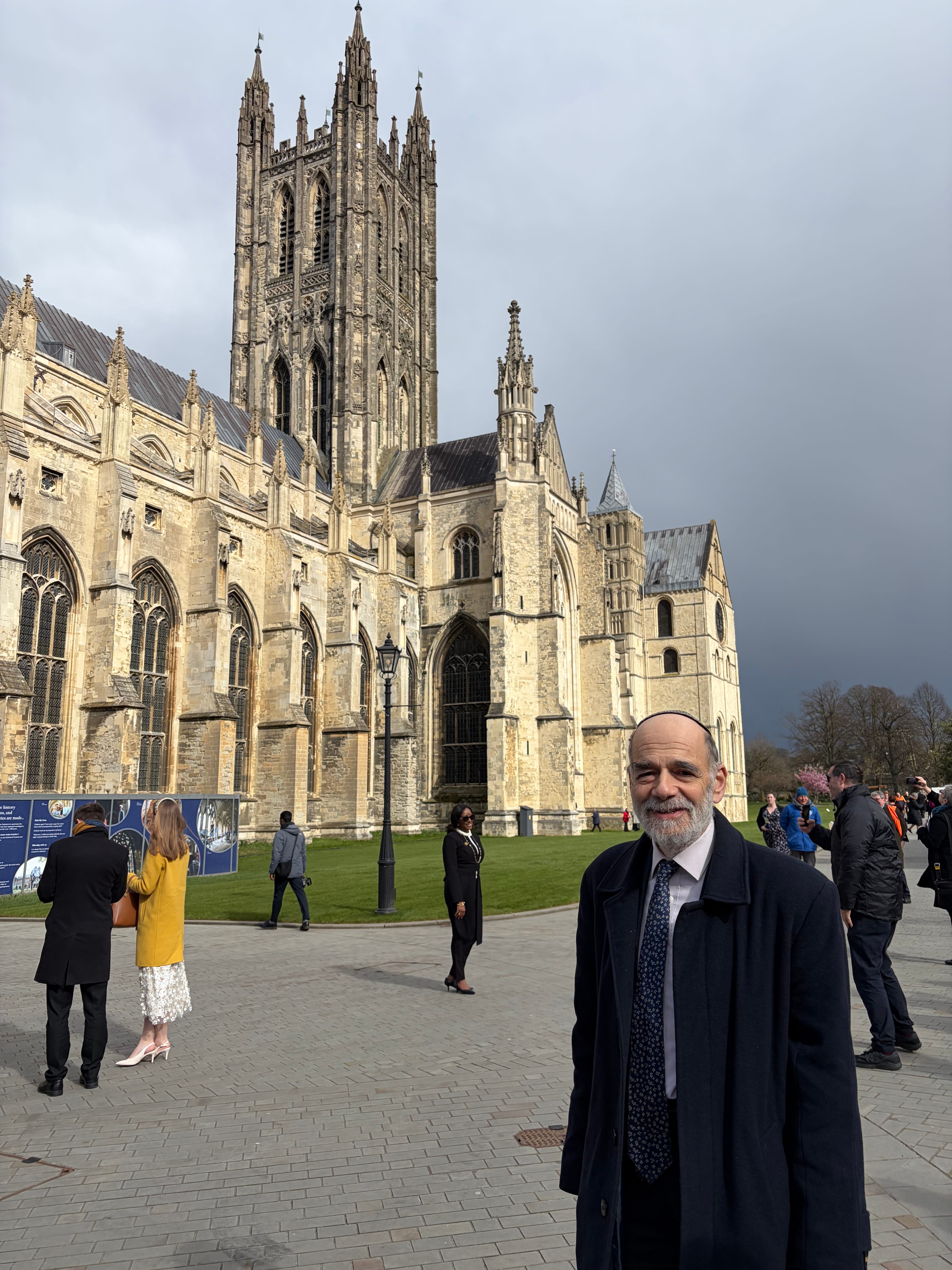
Rabbi Jonathan in front of Canterbury Cathedral
Rabbi Jonathan Wittenberg at the Installation of Archbishop Sarah Mullaly

Guests of other faiths were seated in a block at the front, past the nave. Presently, some hundred bishops and metropolitans processed in to sit in the area opposite us. Momentarily, I had the wicked thought: what would happen if a football was dropped in the middle between us? But there were many smiles across the isles, proving that interfaith relations are, despite everything, far from dead. For a moment I half-wondered of whom I knew more: bishops or rabbis.

Then I reflected: Here is Bishop Kenneth Nowakowski (I sneaked across the aisle and we gave each other a hug). How do I know him? From prayers at the Ukrainian Cathedral, more intense year by year, for an end to the invasion of his country, and from the tears he wept at the pulpit of my synagogue. Here is Greek Orthodox Archbishop Nikitas: how do I know him? Because he served in Sarajevo, during the longest siege of the last century and because we visited Ukraine together. There is Coptic Archbishop Angaelos: we’ve shared reflections on the persecution of our peoples. Next to me sits Qari Asim: he sends me a warm, heartfelt message whenever there is yet another outrage against Jews and synagogues, and I do the same when Muslims and mosques are attacked. There sits Sayed Razawi: we know each other from the Drumlanrig Accords, and because we’ve lit candles together in the presence of Scotland’s First Minister, with prayers that race hate should gain no inroads in his country. These are the sorry, but significant, contexts in which I know these leaders of fellow faiths.

But this was a moment of grace, joy, togetherness and celebration, in the midst of all the bombs and drones falling in Jerusalem, Beirut, Tehran, Lviv, Kyiv.

So was this, then, a sweet delusion, an aside amidst the world’s strife?

No. I was mindful that we stood close to the altar where a previous incumbent of the office of archbishop, Thomas Becket, was murdered in 1170 for telling truth to power. Thus, there was beauty in these moments here in 2026, but there was also sharp reality. We, of all faiths and none, understood that what must bind us together is the service of a higher, deeper, more enduring truth than hatred, divisiveness and blame.

At the end of the service the new Archbishop called out:

‘I invite you as faith leaders to commit to serve together.’

We replied with one voice:

‘We commit to serve together as people of many faiths, in a spirit of friendship and co-operation, to help bring about a better world now, and for generations to come.’

So, despite everything, may it be!
If Only I Could Do More…Why I’m Running the London Marathon

May God protect your coming home and going out, now and always.

May God protect those we love, and everyone, in these frightening times!

I’m training for the London Marathon, trying to build the physical and mental stamina to manage those 26+ miles. I’ll be running for Israel Guide Dogs and for TreeAid.

It’s an impossible choice. I wish I could also run for World Jewish Relief, with its amazing support for Ukraine; for The New Israel Fund, with its hope-oriented work for a peaceful shared future; for Crisis, which cares deeply for the homeless, for Camp Simcha which offers respite to unwell children and their families, for some of those amazing NGOs across the world which give medical help, support refugees, provide havens for abused people, rescue hurt and terrified animals, restore rainforests and save plants and birds from extinction.

I wish I could do something for all those so-called ‘ordinary’ special people, in Israel, Lebanon, Iran, Ukraine, everywhere, who just want to get on with caring for their family, helping their friends, having a life. I wish we could stop those terrible wars and find better ways into the future. But I can’t. So this is the tiny bit I can do.

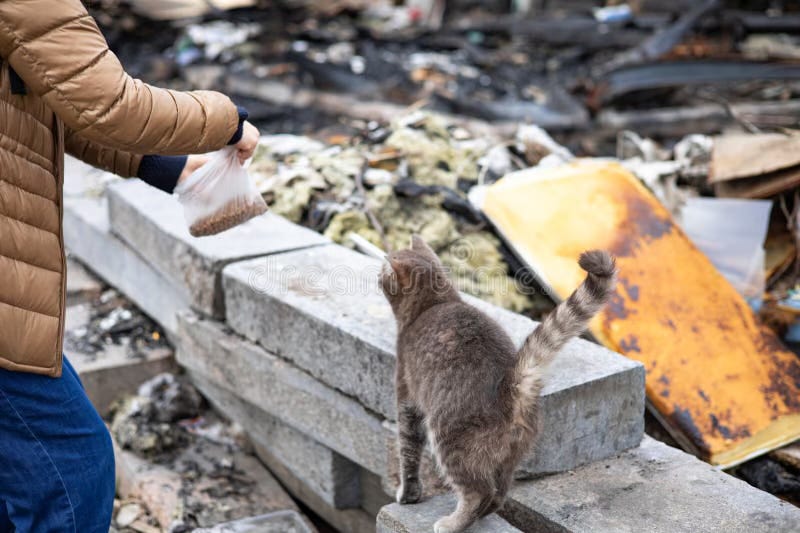
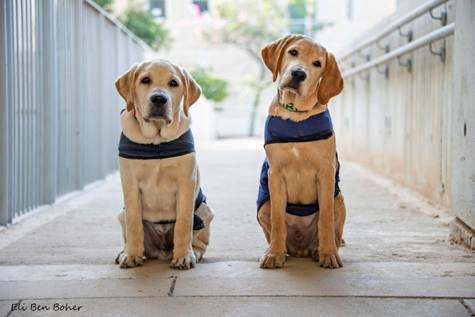
And this is why I’ve chosen these two organisations. Israel Guide Dogs is because I love humans and dogs, and care about my people. The Israel Guide Dog Centre offers dogs to everyone, whatever their faith. They train the amazing dogs who bring confidence and independence to people who’ve lost, or never had, their sight. They upskill trauma and PTSD support dogs, and companion dogs for children. These wonderful animals have a capacity for faithfulness, love, attentiveness and affection we humans cannot match. They don’t bear grudges, argue back, or let you down. They’re there whenever, with their loving hearts. When people have been through hell, when torment pursues them in nightmares, and doesn’t go away when the dawn comes, that wag of a tail, nudge of a head, tap with paw, lick on the ear, means everything.

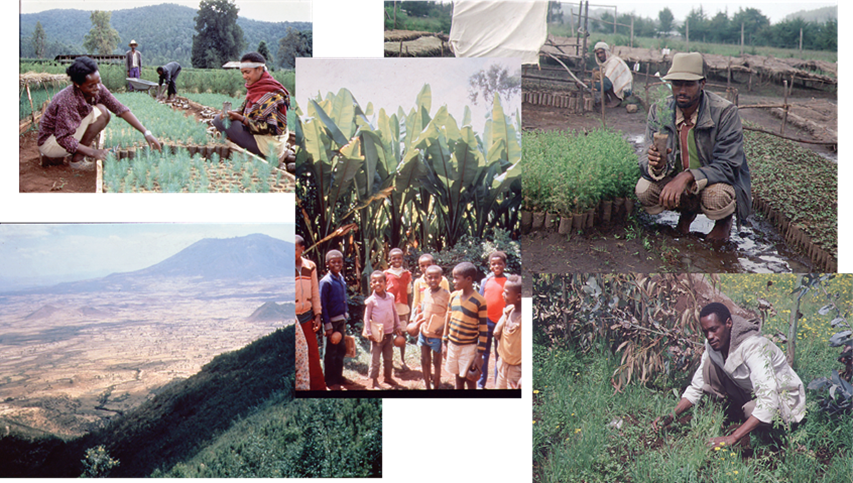
I’m running for TreeAid, because I love people and trees and all the life and hope they bring. TreeAid works across Africa: ‘We believe people and trees are deeply connected. Trees are a lifeline, vital for survival, resilience and opportunity.’ Shea trees produce nuts from which butter is made, enabling women to have an income, their children to go to school, the soil to retain water and regain fertility, the birds to come back. TreeAid is part of the vast project of planting a twenty-kilometre-wide belt of forest across Africa to hold back the Sahara from expanding its creeping desolation. This is essential for people, children, climate, insects, animals, the very liveability of the planet. Ultimately, it’s about the future of us all.

Image gallery showing Ethiopia in the 1980s featuring: two women tending to tree seedlings in a nursery; a landscape shot of Ethiopian highlands; a group of children standing beside trees; two men tending to tree seedlings.

God willing, I’ll be doing the London Marathon MyWay. It’s definitely a better name than the previous ‘Virtual Marathon’ which suggested sitting at home watching others toil. MyWay means you choose your own route, so long as you run on the correct date, 26 April, and use the official tracker which measures your distance. It’s a wonderful app, talking to you every half mile with just the right amount of encouragement: ‘David’s running for cancer research; listen why;’ ‘You’re tired, but you’re halfway; think of everyone cheering you on;’ ‘Mile 18 is dedicated to fighting racism.’

Meanwhile, alongside training, I’m gathering examples for A Million Acts of Hope week, (https://millionactsofhope.org/) a nationwide, all-faiths-and-communities plan to change the narrative of this country and show that the vast majority of people are not about hate, but friendship, neighbourliness and caring.

I feel so helpless and useless in this world at war. But that’s not going to stop me from doing the little that I can.

Shabbat Shalom, and Happy Eid to all my Muslim friends and colleagues

Rabbi Jonathan Wittenberg

Please support my 2026 London Marathon fundraising at Israel Guide Dog Centre UK and Tree Aid

If you love dogs and trees – and people – please share this piece!

Refugees – written for refugee Shabbat

In appreciation of the work of Rabbi David Mason and his colleagues at HIAS-JCORE

It’s different when it’s around your kitchen table. I come from a family who were refugees, my father at the age of sixteen, my mother at twenty. On both sides, there were others who weren’t so lucky. We hold visceral intergenerational memories of how all that was. So now we host refugees though Refugees at Home. We were once in their place and people helped us; today we try to support others, uncomfortably conscious that, who knows, it may be their grandchildren who come to the rescue of ours.

It’s months before we ask Z: ‘How did you get here?’ It’s not that we didn’t care, but that it would have been too close to the nerve. We waited until we sensed he felt safe enough: ‘I was in Calais.’ ‘The Jungle?’ ‘Yes, the Jungle. I clung to the underside of a lorry.’ He’s tall and strong. He works hard, determined to make his way and contribute to this country. On Mother’s Day he turns up with a bunch of flowers for my wife: ‘You’re like my mother now. You are my parents in this country.’ Several who’ve stayed in our home tell us that. I feel ashamed.

D, however, wants us to know his story. He’s glad to talk. ‘I told my little brother, “Don’t come. There’s dangers. You won’t make it; you’ll die.” He’s too young, not strong enough, D explains to us. ‘So how did you manage?’ ‘I walked and walked. We crossed the Sahara with people who take you on the lorry. One bottle of water all day. I see dead people. I help this woman. We carry her child, then I see he’s not living any more. In Libya we wait for a small boat. I don’t go. I’m alone. If storms happen and you don’t have family, they throw you first in the water. There’s only sea, sea, sea, nothing. You drown. In the end I find a friend; we make a pact. We go together. The boat, it was for Italy; it floats to Greece. I walk, I walk and walk until I can no more. A nice man brings me food…’ Months later his feet have still not healed.

And now that you’re here? ‘I want to study.’ We hear it from all these young men. They want to have a life, a future. ‘This is my home now. I want to do something good. For me, for all.’ Meanwhile he works in a food outlet. But they treat him badly, don’t pay what they promise, send him home after telling him to turn up in a hurry, make him clean out the toilets. ‘I can complain for you,’ I say. ‘I can write to the papers?’ ‘No,’ he says, ‘No. Make no trouble. I want no trouble…’ A year later he still works there; they still treat him like dirt.

‘What about your family?’ we ask T, ‘Your mother?’ ‘She was killed.’ ‘Your brother?’ ‘I saw him killed.’ ‘Your father?’ ‘I don’t know.’ ‘Can no one help you find him? The Red Cross?’ ‘No. Maybe he’s dead. Maybe they put him in prison. Nobody knows. Twelve years, I hear nothing. Nobody knows.’ Our dog looks up at him; he throws her a ball. They adore each other, those two. At least, he has a new friend. When he comes to visit after finding work and moving out to accommodation of his own, the dog is at the door wagging not just her tail but three-quarters of her body. They play football in the garden for an hour. The dog’s his family now. On January first, he what’s apps to us: ‘Happy New Year, my lovely family.’ Our hearts ache.

Refugee Tales campaigns against indefinite detention of asylum seekers. They’re based on Chaucer’s Canterbury Tales, sharing stories while walking, so every year they arrange a pilgrimage, with cooking, meals together, music and talking along the way. They match refugees with writers tasked to tell their stories. The organisers understand, explains their patron Ali Smith,

That if they matched the people whose voices were being denied or unheard with contemporary writers – in other words, with people whose preoccupation is listening for and working with voice and language – something freeing might happened for silenced and detained people. (The Observer, 6 July 2025)

B. is a grandmother from the Ukraine. She stays with us together with her daughter and two grandchildren. B. has almost no English. But we know that back in Ukraine she has some land where she grew food, so we take a book ‘How to grow your own,’ and look at the pictures. With her daughter’s sprinkling of English, with signs and pointing and acting, we manage to understand one another. Apricots: we had seven, nine, ten, thirteen. Three big, others small. Apples. Plums. The grandmother gestures, opening her arms between which joy has escaped. Bombi, she says, and looks up at the ceiling as if it were the sky, then sweeps her hands across the table as if to swipe away everything. Bombi; all destroyed. We hear the grief. And she’s so far from home. And home has gone. I think of my grandparents, after they fled to Britain from Nazi Germany. Like them from now on, unless peace comes and she can return home, she’ll be living here in exile, and simultaneously somewhere else. Her daily world, her memory world, her heart’s world; they’ll never again be in the same place.

What do we say? What can we say, who have lived none of this? But it’s not about what we say. It’s about how we hear. All these people who’ve lost their place, the home where their childhood is, the scents and seasons, their language, their friends, they need to know, they need to feel – because there’s no way of saying it just with words – that their stories have roots in our hearts.

That doesn’t mean that one’s contemptuous about the issues. There’s a shortage of housing in the UK; people born in the Britain can’t find homes they can afford. There’s childhood poverty. The National Health Service can hardly cope. There’s national debt. There’s fear for jobs. And, it’s true, from time to time there are immigrants, as there are citizens, who commit horrible crimes and a few who bring their entrenched hatreds with them.

But once one’s listened at one’s table, one doesn’t say ‘swarms.’ One doesn’t join gangs chanting abuse outside hotels where, for want of anywhere else, refugees are lodged. One doesn’t say: ‘Deport thousands, tens of thousands; serves them right.’ One doesn’t vomit into the social media sewers.

Rather, one holds their stories in one’s heart. One thinks: these people know suffering, They know loneliness and fear in ways I never have. One realises, ‘This could, one terrible, not unthinkable, day, be my children or me.’

One respects these people; they’re resilient. One’s heart goes out to them.

Where is God in these wars?

‘Where is God in these cruel times?’ I don’t need others to ask me; I ask the question myself, frequently. I don’t forget that time in Kyiv in the winter of 2024, a mere year into that ever more bitter war, when a senior priest in the Greek Orthodox Church asked a group of us of different faiths: ‘Where do you think God is in this conflict?’ It was not a rhetorical question, and he himself did not answer.

I think God is where the suffering is. I think God is in the phone calls and WhatsApps to those we love, whether those calls are made in Hebrew, Ukrainian, Farsi, Russian, Arabic, English, or any other language. I think God is in the prayers spoken in existential fear, ‘God protect us! God, be “our shade on our right hand” – and on our left.’ God, we want to live, just live, with some freedom, some hope, and with the people we love.’ I think God is where this love is: ‘How can we care for, protect one another? How can we bandage the wounds of body and soul?’

On Tuesday, I caught Radio 4’s PM programme. They shared from the diary of a young woman in Tehran. On the day the Ayatollah was killed she wrote: I’d waited for this day for years. Now I’m numb. I didn’t want him to be a martyr. We wanted him to face ‘the blood he had squeezed into a bottle for years.’ She reminded me of my grandfather, furious that Hitler took his own life: ‘He should have been forced to face what he did.’ Days later, she wrote: Life is distilled into checking the members of our group. If the bomb is near, the windows shake, there’s smoke. With trembling hands and many typos, they post: ‘It was close. We’re safe.’ That’s all.

Like everyone I know, I contact friends and family in Israel. How are you managing, these frightening times? ‘Pretty much carrying on some sort of daily routine. Disrupted sleep. Exhausted. Families with young kids and elderly people have it worse.’ I write, too, to a colleague in Dubai.

It may seem stupid to some, but I can’t help also thinking of the animals, the ruination of nature. I recall an interview with a photographer which Svetlana Alexievich recorded in Chernobyl Prayer. He tells her: ‘I showed my work to some children… They asked all sorts of questions, but one in particular remains engraved in my memory. ‘Why couldn’t you help the animals that were left behind?’ And I couldn’t answer him.’ (p. 126)

One thinks of people who don’t have strong rooms, safe rooms, or shelters. And of the woman driving in Ukraine who said she could see on her smart phone the soldiers aiming the drone at her car.

It’s horrible, and who knows what the outcome of all this will be, who will be safe, and who will get the blame.

We pray to God: ‘God, you promised “I shall be with you in trouble.” “God will protect you, keep your life safe from all evil.” (Psalm 91; 121)

But I don’t think it’s enough just to pray to God; we have to pray with God as well. We need to find and cherish the presence of God in each other, and in ourselves. We have to be on the side of life alongside God who “loves life and lovingly sustains life.” We need to be on the side of hope together with God, on the side of justice together with God, on the side of compassion and healing together with God.

I believe in the God who is hurting in everyone’s hurts.

This Springtime, This War

I don’t understand.

The world is so beautiful. The world is so full of horrors. Life is so precious, so treasured. Life is so cheap, so brutalised. I can’t be the only person who struggles, uncomprehending, with these contradictions.

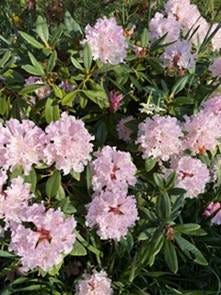
Here’s a glimpse into our gorgeous garden: rhododendrons I’ve loved since childhood in Scotland, when I put the fallen trumpet flowers, full of rain, like thimbles on my fingers.

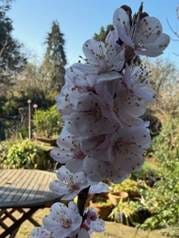
Here’s to the apricot which blossoms so early that the March frost sometimes ruins it. Could this be a glut year, with so much fruit that my jam-making friends can collect ten jars’ worth? If so, I’ll bottle some too, remembering my father’s aunt Sophie who loved her fruit garden but perished in Auschwitz.

See the pink flowers of the copper beech reaching into the sky. Soon they’ll be followed by red-brown leaves.

The birds are serenading the sunshine and its time to put out soft wool as additional lining for their nests. In a month we’ll say in The Song of Songs ‘The call of the turtle dove is heard in the land.’ That bird is almost extinct in Britain, but I met a small-holder who’s breeding them until they can be released and make their return, such love people have for life.

And such is the contempt for life: the hatred that makes its own leaders murder tens, hundreds, of thousands of their own people; the rhetoric of success that makes no place in its heart for the hundreds of innocent people who die as ‘collateral damage.’ Meanwhile millions spend their days and nights in resigned exhaustion in safe rooms and bomb-shelters, if they have any. My heart goes out to them, in Israel and everywhere.

And yet it’s not simple. Evil and cruelty cannot be ignored. They can’t be left to stockpile forever; stockpiles are never just for show. Might there be, or have been, better ways of confronting them? How can we truly know?

Then, too, there is the immense courage of those called to risk their lives in fighting. This, also, must be recognised, especially by those of us currently far from danger.

Who can see where all this will go? ‘Humanity must perforce prey on itself like monsters of the deep:’ those lines from Shakespeare stick in my head, – except that sea-monsters don’t cause so much damage or risk the lives of everything.

What does one take from all this? Cynicism? Hopelessness? No! That’s not the way of the human spirit, certainly not the Jewish way. Love of life is too strong; the need to care is too compelling; the roots of compassion go down too deep.

Even in wartime, we must honour and cherish life with as much respect and mercy, and in whatever situation and manner, we can. We must not let our heart be shrunk, our soul extinguished, our compassion exhausted, or our eyes be blinded to beauty and blessing.

Back in April I went to the Iranian supermarket where I sometimes shop. ‘Your friends in Tehran?’ I asked the women at the checkouts. ‘They’re OK. Yours in Tel Aviv?’ ‘OK,’ I answered. ‘Thank God,’ they said. ‘Thank God,’ I said. I must go there again. We long, together, for freedom, peace and life.

Get in touch...