‘Where is God in these cruel times?’ I don’t need others to ask me; I ask the question myself, frequently. I don’t forget that time in Kyiv in the winter of 2024, a mere year into that ever more bitter war, when a senior priest in the Greek Orthodox Church asked a group of us of different faiths: ‘Where do you think God is in this conflict?’ It was not a rhetorical question, and he himself did not answer.
I think God is where the suffering is. I think God is in the phone calls and WhatsApps to those we love, whether those calls are made in Hebrew, Ukrainian, Farsi, Russian, Arabic, English, or any other language. I think God is in the prayers spoken in existential fear, ‘God protect us! God, be “our shade on our right hand” – and on our left.’ God, we want to live, just live, with some freedom, some hope, and with the people we love.’ I think God is where this love is: ‘How can we care for, protect one another? How can we bandage the wounds of body and soul?’
On Tuesday, I caught Radio 4’s PM programme. They shared from the diary of a young woman in Tehran. On the day the Ayatollah was killed she wrote: I’d waited for this day for years. Now I’m numb. I didn’t want him to be a martyr. We wanted him to face ‘the blood he had squeezed into a bottle for years.’ She reminded me of my grandfather, furious that Hitler took his own life: ‘He should have been forced to face what he did.’ Days later, she wrote: Life is distilled into checking the members of our group. If the bomb is near, the windows shake, there’s smoke. With trembling hands and many typos, they post: ‘It was close. We’re safe.’ That’s all.
Like everyone I know, I contact friends and family in Israel. How are you managing, these frightening times? ‘Pretty much carrying on some sort of daily routine. Disrupted sleep. Exhausted. Families with young kids and elderly people have it worse.’ I write, too, to a colleague in Dubai.
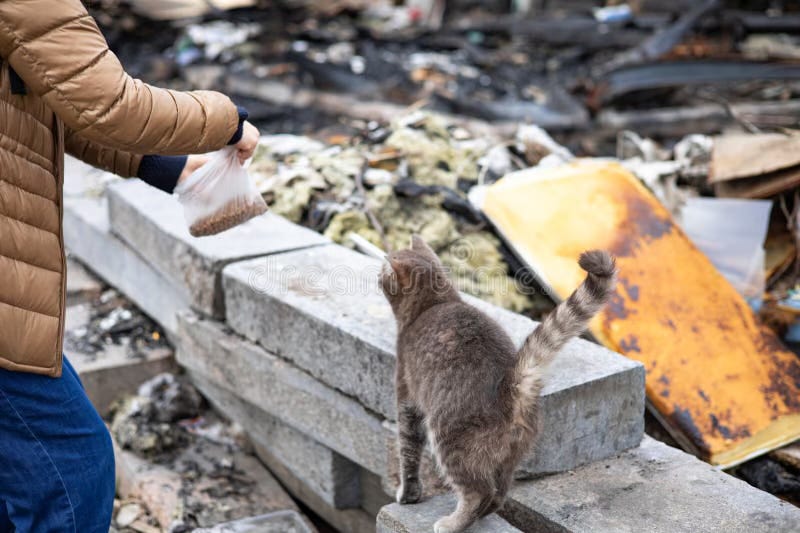
It may seem stupid to some, but I can’t help also thinking of the animals, the ruination of nature. I recall an interview with a photographer which Svetlana Alexievich recorded in Chernobyl Prayer. He tells her: ‘I showed my work to some children… They asked all sorts of questions, but one in particular remains engraved in my memory. ‘Why couldn’t you help the animals that were left behind?’ And I couldn’t answer him.’ (p. 126)
One thinks of people who don’t have strong rooms, safe rooms, or shelters. And of the woman driving in Ukraine who said she could see on her smart phone the soldiers aiming the drone at her car.
It’s horrible, and who knows what the outcome of all this will be, who will be safe, and who will get the blame.
We pray to God: ‘God, you promised “I shall be with you in trouble.” “God will protect you, keep your life safe from all evil.” (Psalm 91; 121)
But I don’t think it’s enough just to pray to God; we have to pray with God as well. We need to find and cherish the presence of God in each other, and in ourselves. We have to be on the side of life alongside God who “loves life and lovingly sustains life.” We need to be on the side of hope together with God, on the side of justice together with God, on the side of compassion and healing together with God.
I believe in the God who is hurting in everyone’s hurts.